Parliament has moved to block approval of Sh60 million that was spent on preparations for a Siaya investment conference that never happened, citing lack of justification after the event was cancelled before it could begin.
In a report presented to the National Assembly, the Budget and Appropriations Committee said the money had already been released under emergency provisions, but the planned conference was abandoned and therefore the spending could not be validated.
The committee, chaired by Alego Usonga MP Samuel Atandi, indicated that the funds were approved and disbursed specifically to facilitate the Siaya International Trade and Investment Conference, placing the responsible officers under scrutiny.
The planned event did not proceed after the death of former Prime Minister Raila Odinga, which occurred just two days before the conference was set to start.
“The committee noted that Sh60 million was approved and disbursed under Article 223 of the Constitution to support the Siaya International Trade and Investment Conference. However, following the passing of the former Prime Minister... the conference did not take place, rendering the expenditure unjustified,” the report states.
Following its review, the committee has recommended that Parliament turn down the Sh60 million expenditure while allowing approval of the remaining Sh41.34 billion reported under Article 223 spending.
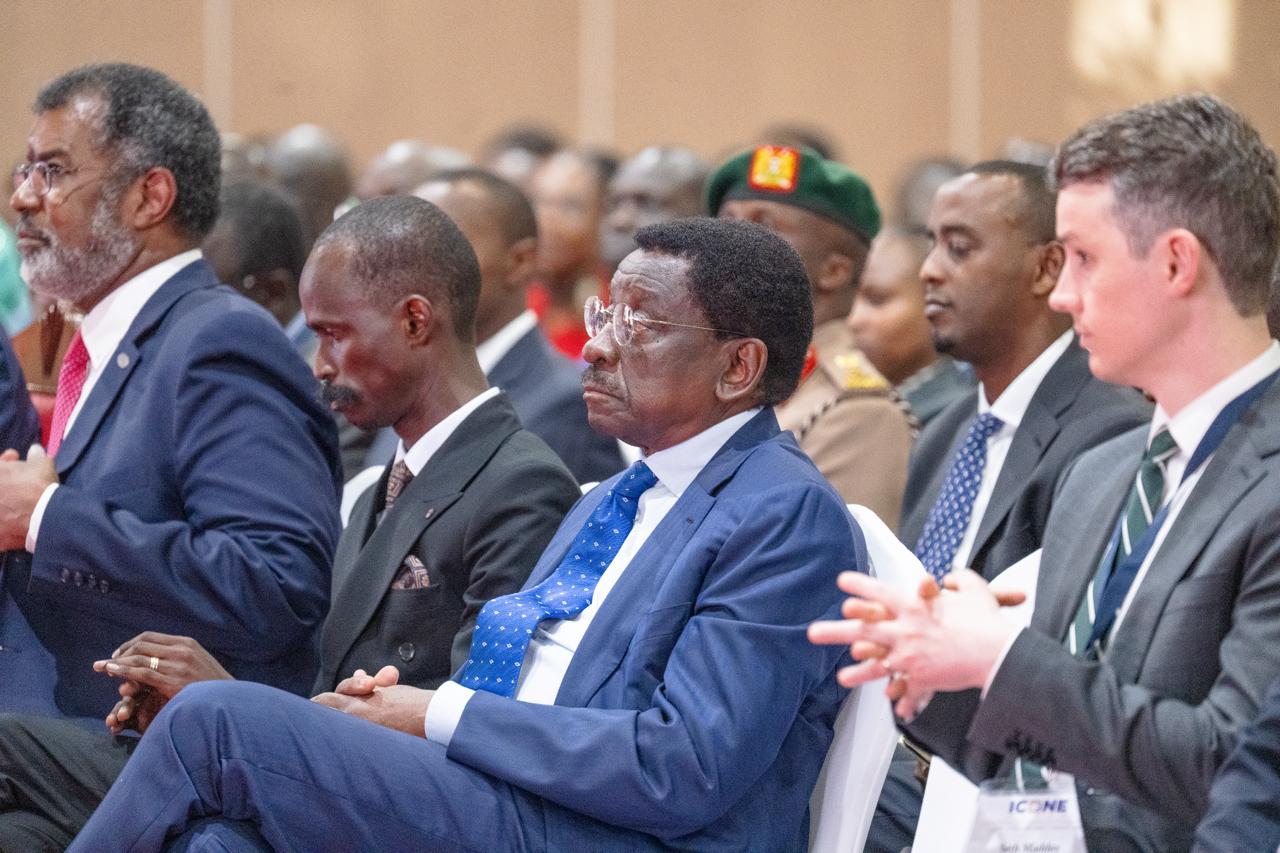
At the time the conference was cancelled, Siaya Governor James Orengo had indicated that alternative dates would be communicated, but no further updates have been issued since then.
This decision adds to a growing list of instances where Parliament has refused to approve funds that were spent before being formally sanctioned. In a previous case, MPs rejected a Sh6 billion payment tied to the Telkom buyout and pushed for investigations into the matter.
Lawmakers also have pending approval discussions on Sh4 billion linked to a maize subsidy programme initiated during the tenure of former President Uhuru Kenyatta, with questions still lingering on how the money will be accounted for.
The rejection has intensified discussion around the application of Article 223 of the Constitution, which allows the national government to spend money without prior parliamentary approval in certain situations.
The provision is meant to be used in cases where allocations are insufficient, no funds were provided in the budget, or when withdrawals are made from the Contingencies Fund. Such spending must be submitted to Parliament within two months for review and approval.
During the current financial year, the National Treasury approved Sh245.9 billion under Article 223. This included Sh44.8 billion for recurrent expenditure and Sh56.7 billion for development-related spending.
An additional Sh144.4 billion was spent under Consolidated Fund Services, largely for government bond buybacks.
Out of the total approved amount, Sh185.8 billion has already been disbursed. This includes allocations for bond buybacks, social protection programmes, food relief efforts, internal security operations, salary arrears for university lecturers, and funding for national examinations.
The committee observed that while some of these expenditures were necessary, several were not entirely unforeseen and could have been planned within the main budget framework.
Members of Parliament argued that the increasing reliance on emergency spending points to gaps in budget planning and raises concerns about adherence to the normal appropriation process.
The committee has now instructed Treasury Cabinet Secretary John Mbadi to submit a detailed report to Parliament by September 30, 2026, outlining how Article 223 has been used over time.
The report should include breakdowns showing how such expenditures compare to approved budgets across government departments from the 2022-23 financial year up to date.
“This information will help the National Assembly address the growing reliance on Article 223 spending, which continues to reduce the credibility of the approved annual budget,” the report notes.